MoMI
MoMI
Rebranding
Rebranding
Overview
Overview
MoMI rebrands to embody its purpose as a film and media museum, spotlighting more behind the lens through a flexible identity.
MoMI rebrands to embody its purpose as a film and media museum, spotlighting more behind the lens through a flexible identity.
Special Research Credit
Special Research Credit
Special Research
Credit
My Role
My Role
Research
Brand Design
Art Direction
Motion Graphics
Research
Brand Design
Art Direction
Motion Graphics
Tools
Tools
Figma
Miro
Adobe CC
Sketchup
Figma
Miro
Adobe CC
Sketchup
Duration
Duration
15 Weeks
15 Weeks
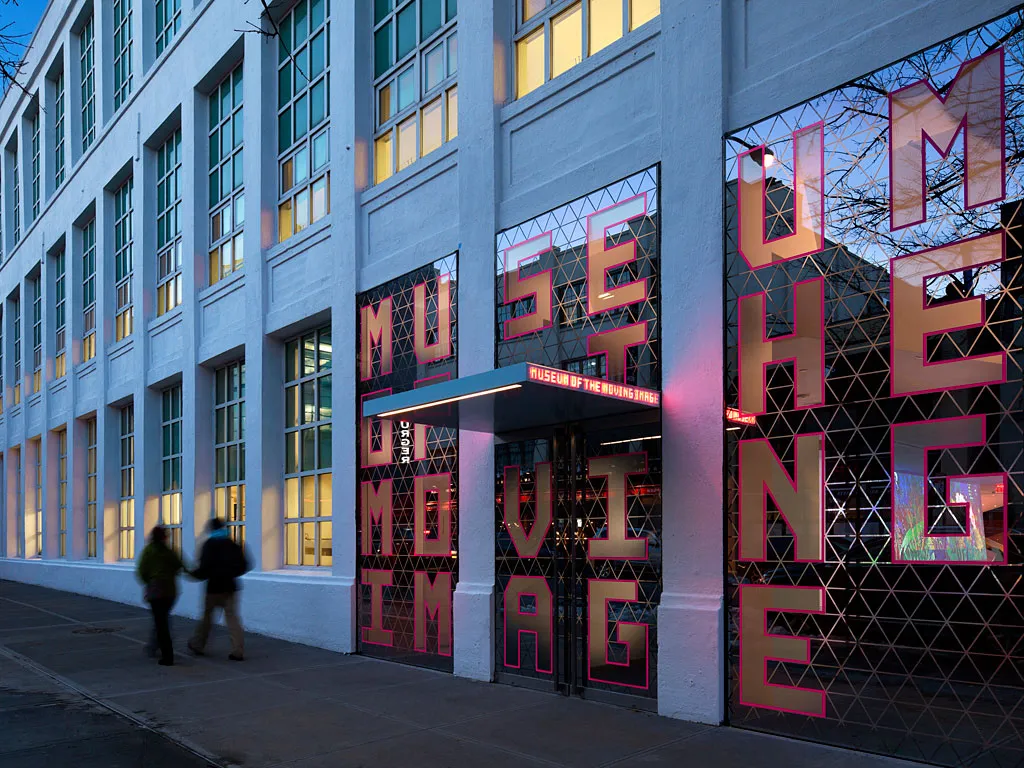
Located in Astoria, Queens, The mission of the Museum of the Moving Image (MoMI) is to explore the art, history, & technology of film, television, & digital media.
Click for more context
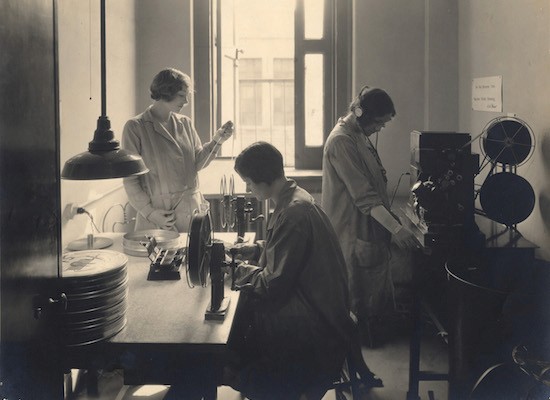
Located in Astoria, Queens, The mission of the Museum of the Moving Image (MoMI) is to explore the art, history, & technology of film, television, & digital media.
Click for more context

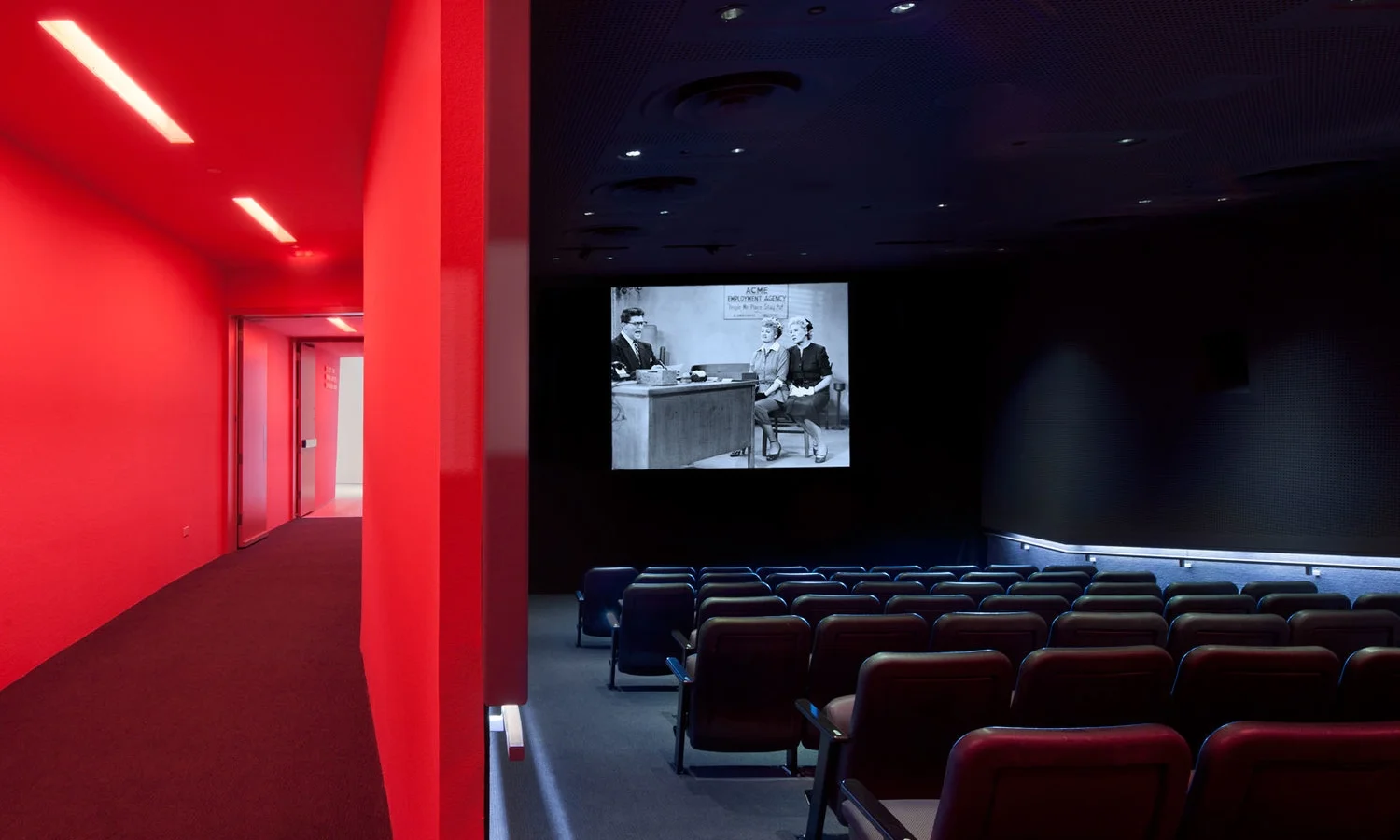
How might we transform MoMI into a dynamic identity that honors the history of the moving image and the museum’s mission in exploring media & film beyond the screen?
Click for more context
How might we transform MoMI into a dynamic identity that honors the history of the moving image and the museum’s mission in exploring media & film beyond the screen?
Click for more context
Brand Concept
Spotlight the
Reframing cinematic
history to bridge the past, present, and future, of film and media
UNSEEN
Spotlight the
Reframing cinematic
history to bridge the past, present, and future, of film and media
UNSEEN
Spotlight the
Reframing cinematic
history to bridge the past, present, and future, of film and media
UNSEEN
View Brand Profile + Research
View Brand Profile + Research
View Brand Profile + Research
View Brand Profile + Research
Visual Identity
Visual Identity
Primary Logo
Primary Logo
Primary Logo
The Intersection of Physical + Digital
The Intersection of Physical + Digital
The Intersection of Physical + Digital
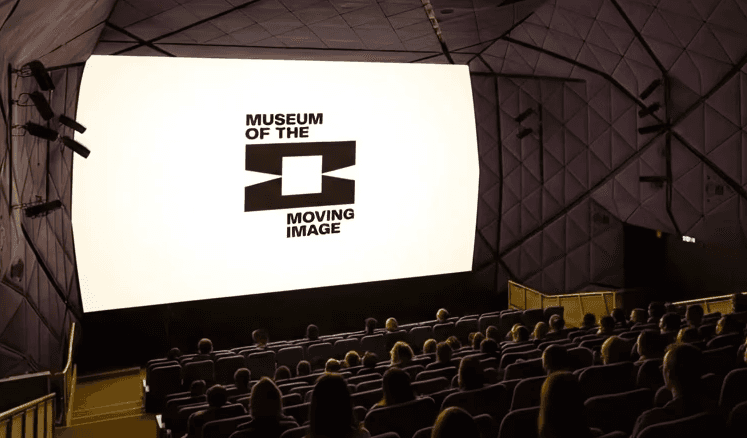
The master logo motif is built on the primary M of our logotype and reflected to create a vintage movie ticket.
Layered with a center square, it transforms the natural angle from the ticket design into illuminating rays to emulate the sliver screen.
The master logo motif is built on the primary M of our logotype and reflected to create a vintage movie ticket.
Layered with a center square, it transforms the natural angle from the ticket design into illuminating rays to emulate the sliver screen.
The master logo motif is built on the primary M of our logotype and reflected to create a vintage movie ticket.
Layered with a center square, it transforms the natural angle from the ticket design into illuminating rays to emulate the sliver screen.


Dynamic System
Dynamic System
Ticket Please!
The Museum of the Moving Image has 4 main brand categories:
Education, Theater, Experience, & Archive
The Museum of the Moving Image has 4 main brand categories:
Education, Theater, Experience, & Archive
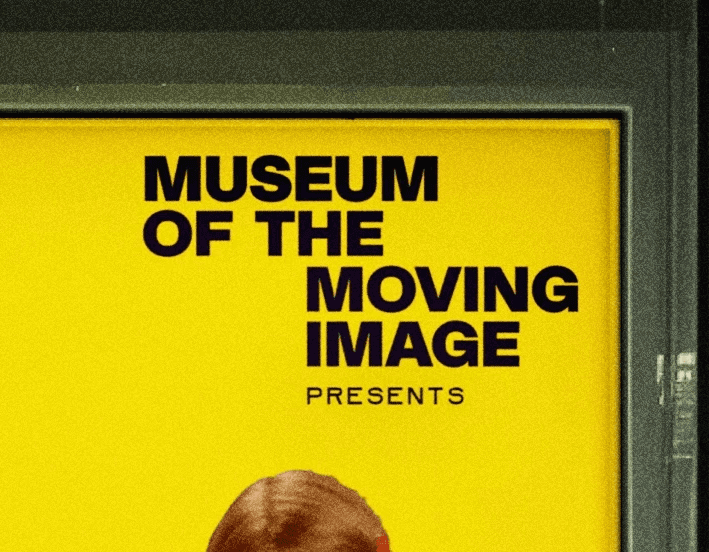
Building off of the primary logo, the dynamic system carries the main motif while conveying modular screens as the center box changes to create logo visuals symbolic to the respective brand category.
Building off of the primary logo, the dynamic system carries the main motif while conveying modular screens as the center box changes to create logo visuals symbolic to the respective brand category.
Color Palette
Color Palette
A Cinematic Timeline
A Cinematic Timeline
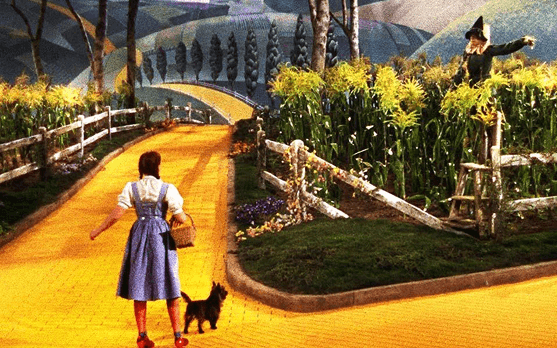
The Wizard of Oz (1939) is widely considered the cinematic piece that revolutionized color, using three-strip Technicolor to dramatically transition from sepia-toned Kansas to a hyper-saturated, magical world.
While not the first color film, it set the standard for using color as a narrative tool, transforming audience expectations for filmmaking.
This color palette takes inspiration from that transition and visually bridges the past and the future.
The Wizard of Oz (1939) is widely considered the cinematic piece that revolutionized color, using three-strip Technicolor to dramatically transition from sepia-toned Kansas to a hyper-saturated, magical world.
While not the first color film, it set the standard for using color as a narrative tool, transforming audience expectations for filmmaking.
This color palette takes inspiration from that transition and visually bridges the past and the future.
The Wizard of Oz (1939) is widely considered the cinematic piece that revolutionized color, using three-strip Technicolor to dramatically transition from sepia-toned Kansas to a hyper-saturated, magical world.
While not the first color film, it set the standard for using color as a narrative tool, transforming audience expectations for filmmaking.
This color palette takes inspiration from that transition and visually bridges the past and the future.
Photography Treatment
Photography Treatment
Technicolor Talents
Technicolor Talents
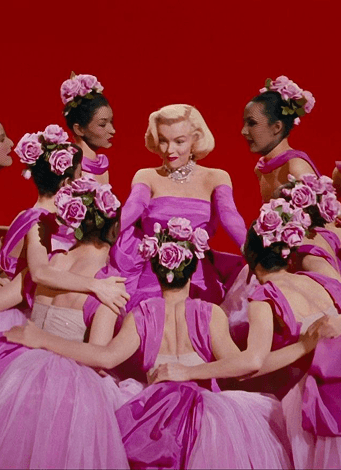
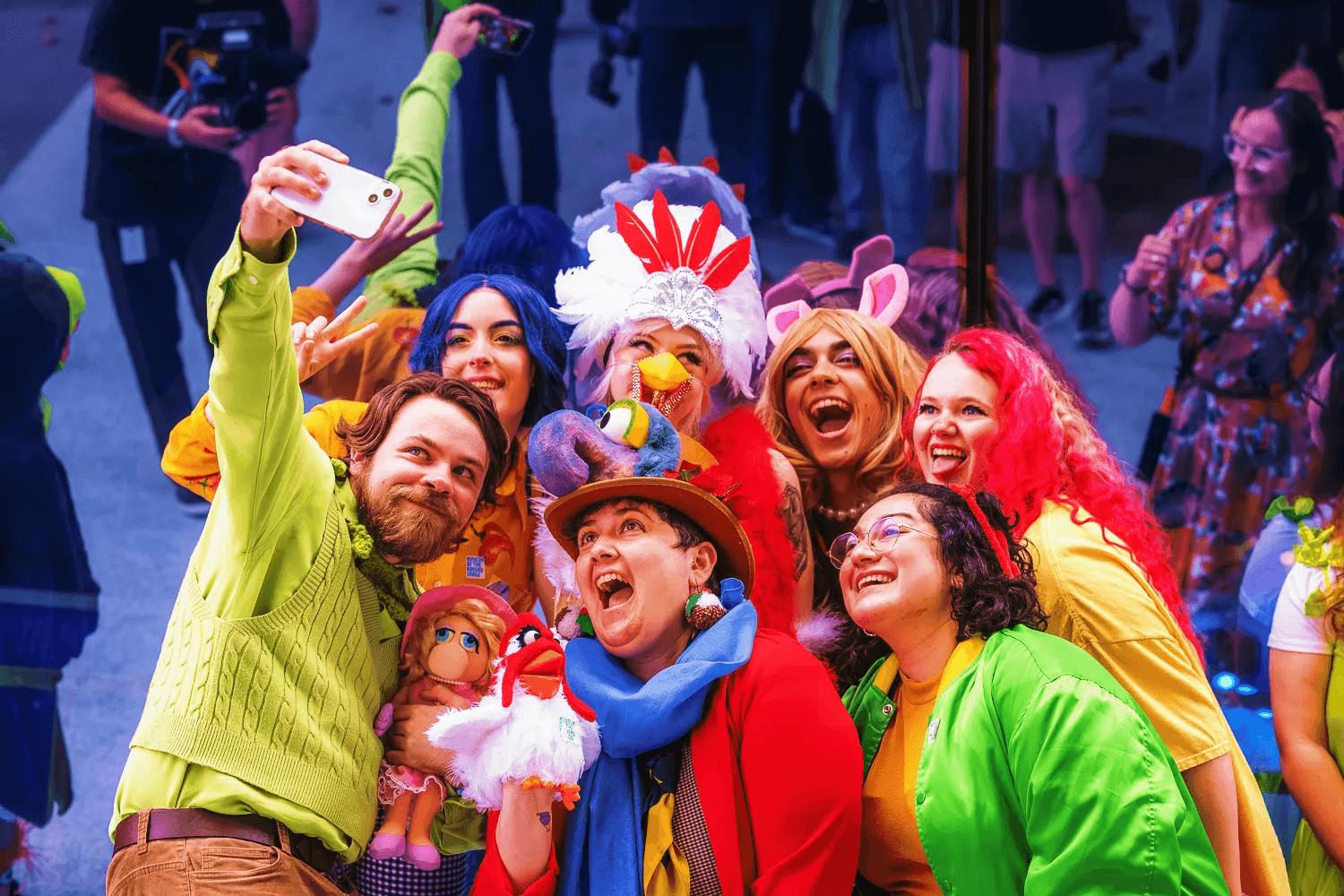
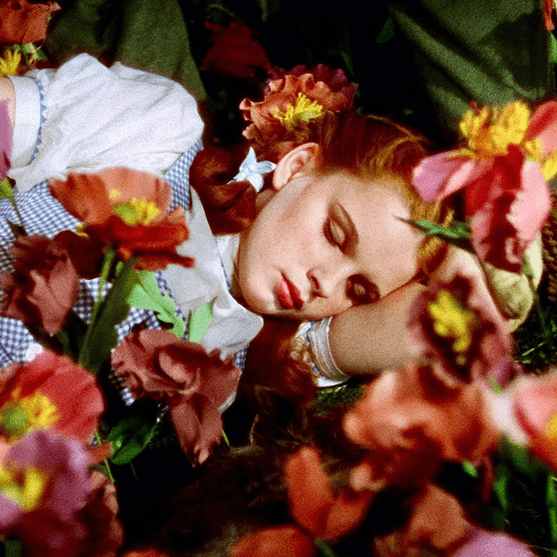
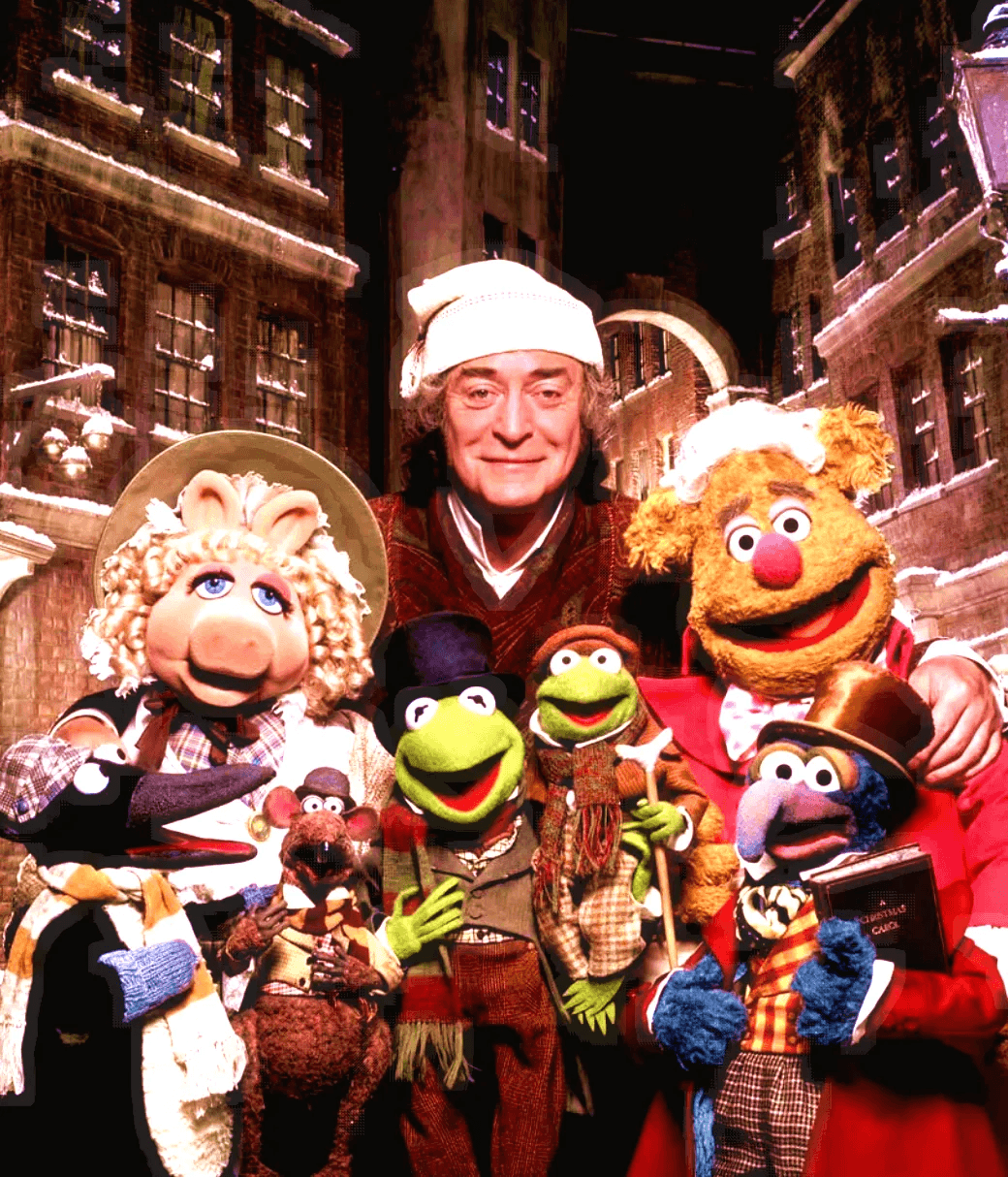
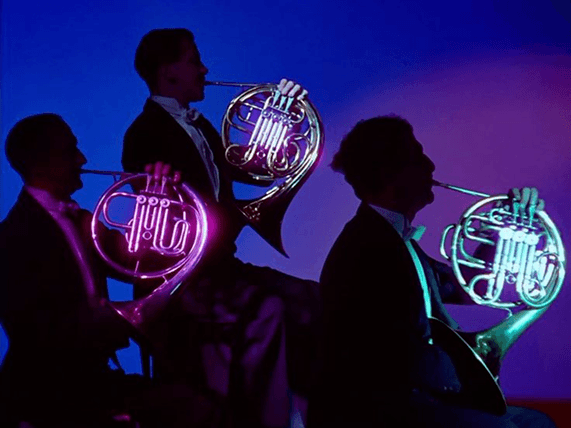
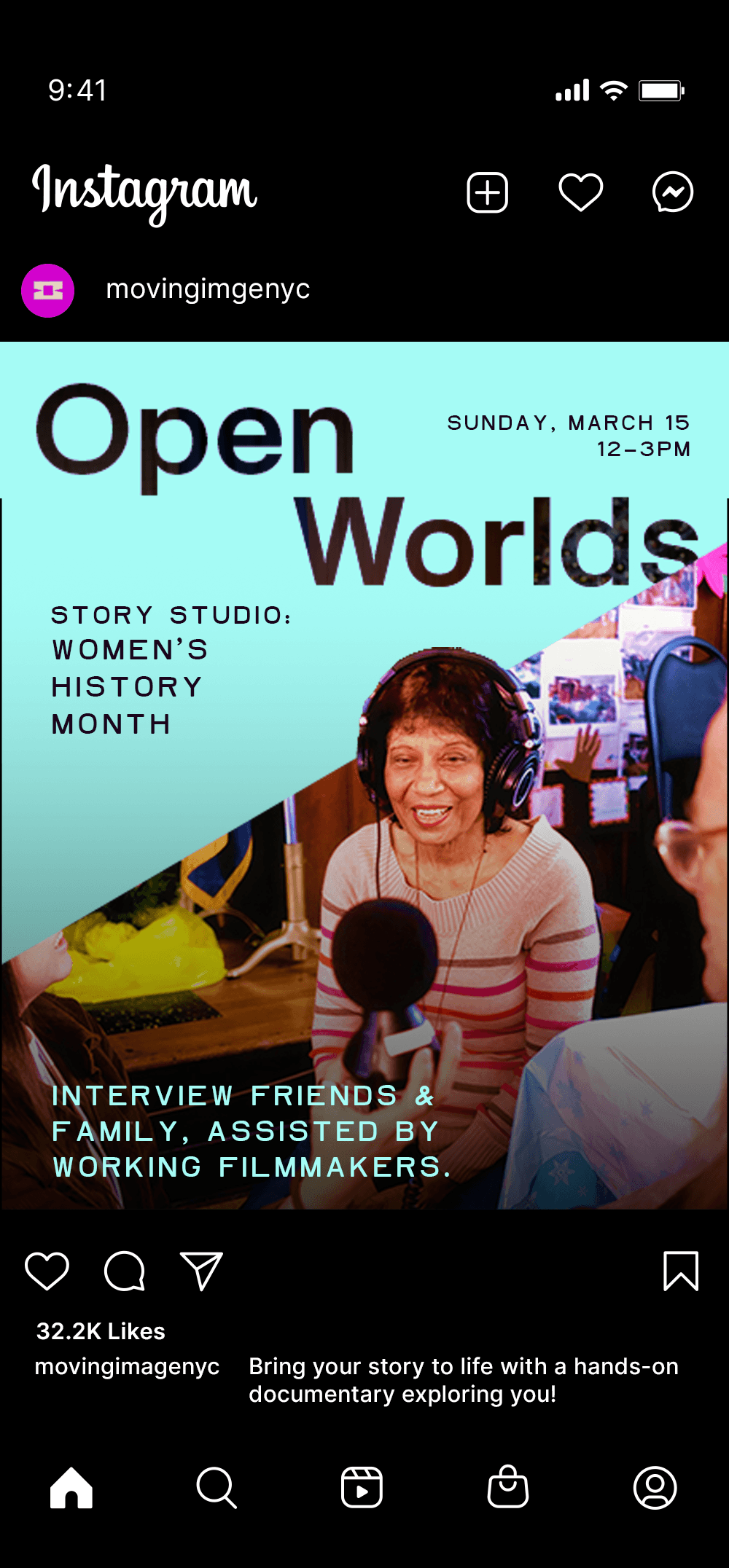
Building off of the shift to technicolor which revolutionized cinema in 1932, this process is known for its high saturation, and rich, deep blacks, often achieved by adding a 50% density black-and-white image from the green record to enhance contrast.
Building off of the shift to technicolor which revolutionized cinema in 1932, this process is known for its high saturation, and rich, deep blacks, often achieved by adding a 50% density black-and-white image from the green record to enhance contrast.
Building off of the shift to technicolor which revolutionized cinema in 1932, this process is known for its high saturation, and rich, deep blacks, often achieved by adding a 50% density black-and-white image from the green record to enhance contrast.

Applications
Applications

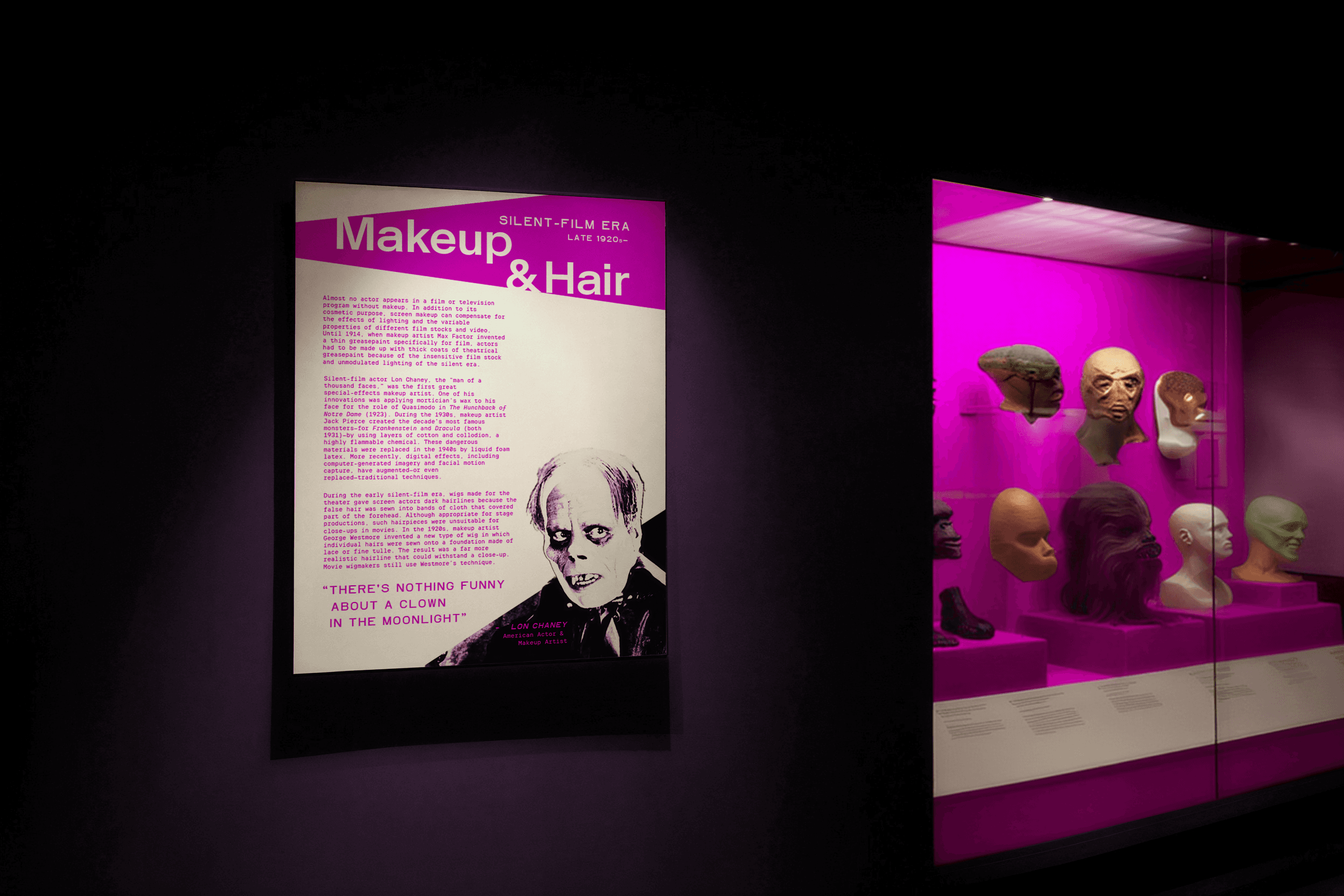
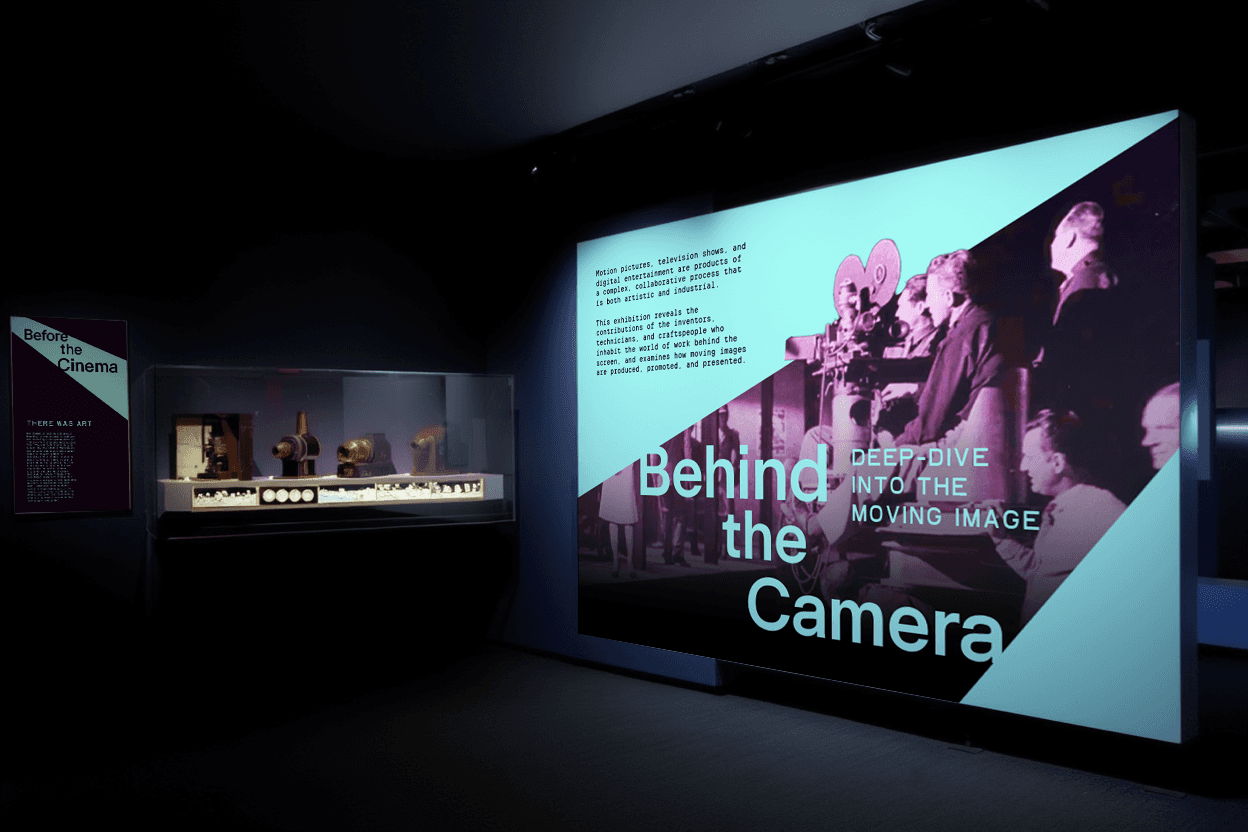
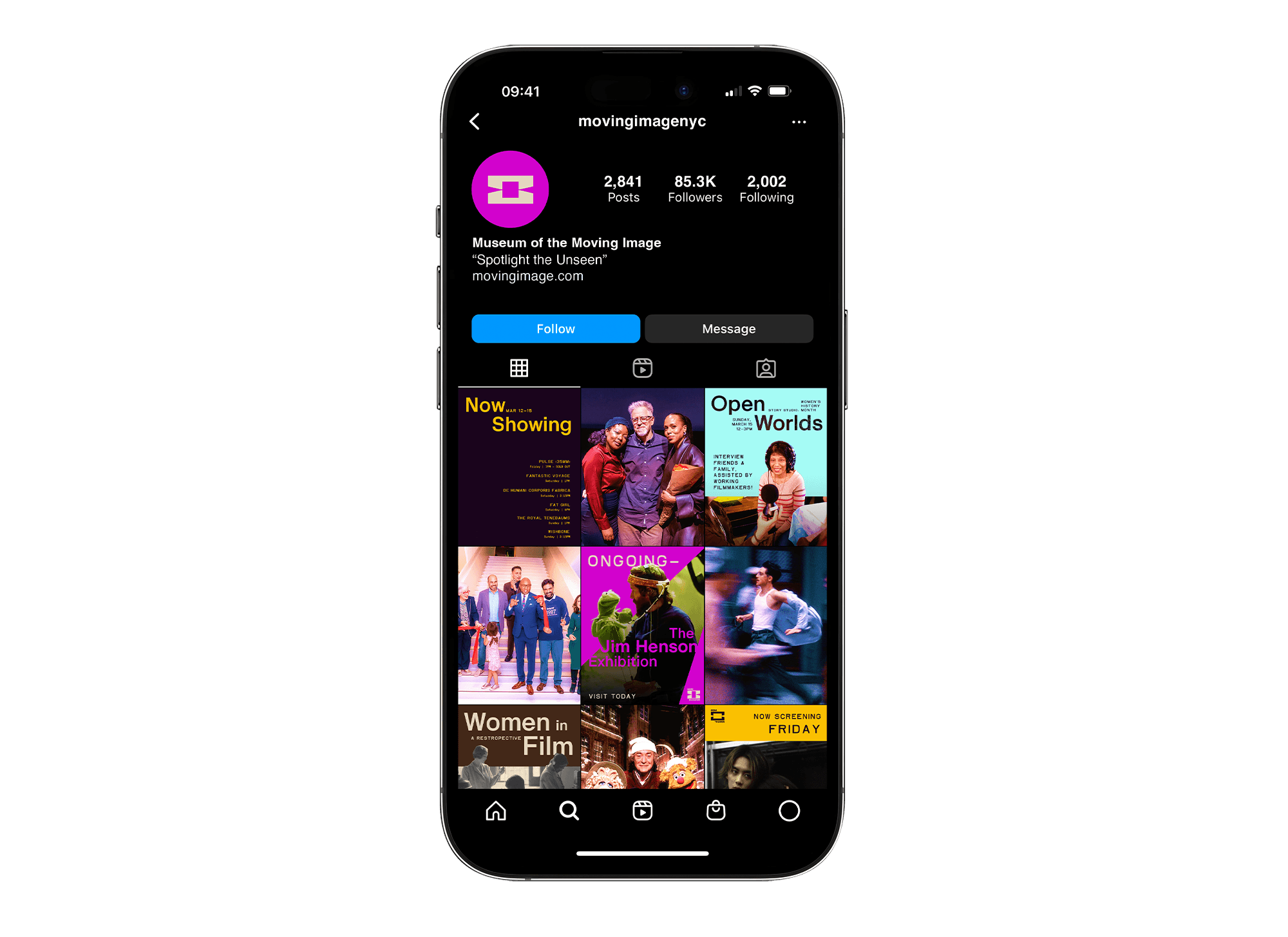
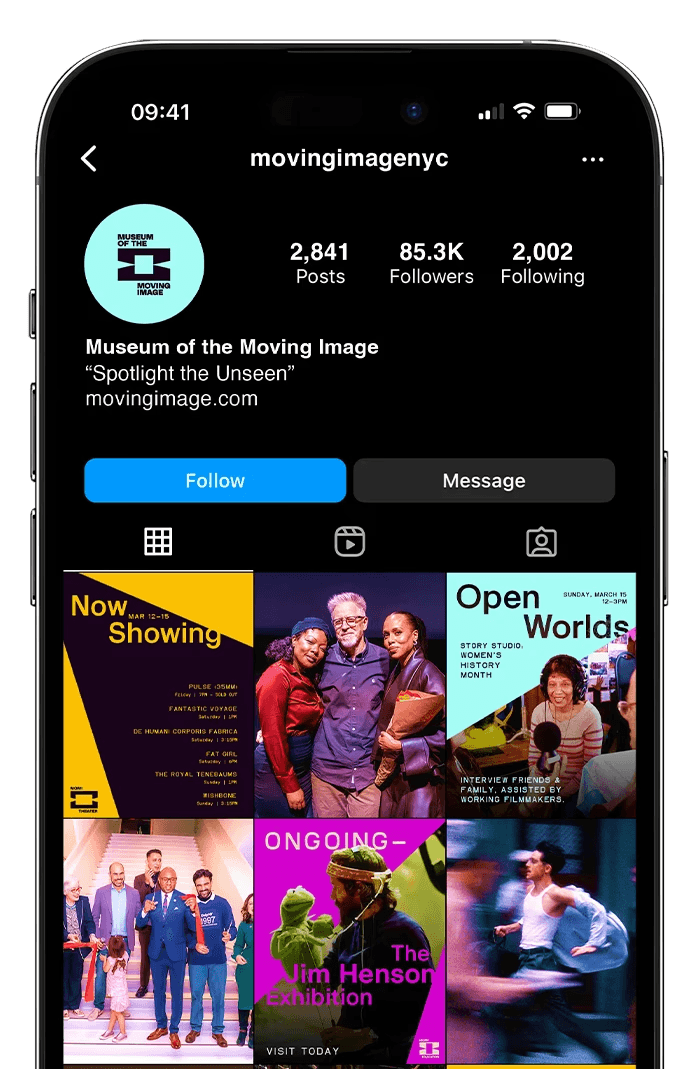

Reflection
Reflection
Takeaway
Takeaway
The museum’s identity is reimagined to fully embody its forward-thinking vision while honoring its rich cinematic heritage. Implementing a dynamic visual language that captures the essence of moving images, from classic film to cutting-edge digital media.
The museum’s identity is reimagined to fully embody its forward-thinking vision while honoring its rich cinematic heritage. Implementing a dynamic visual language that captures the essence of moving images, from classic film to cutting-edge digital media.
If you liked this, you'll love…
If you liked this, you'll love…